Back-to-School (with COVID-19) Webinars: Learn More

Small Business, Big Exposure: Illinois Tightens the Rules on AI in Hiring
by Joseph S. Davidson
Small businesses are using artificial intelligence more and more in the hiring process. Employers are turning to AI to help sort résumés, rank candidates, score assessments, and even evaluate recorded interviews. While those tools can save time and improve efficiency, they also come with growing legal obligations in Illinois.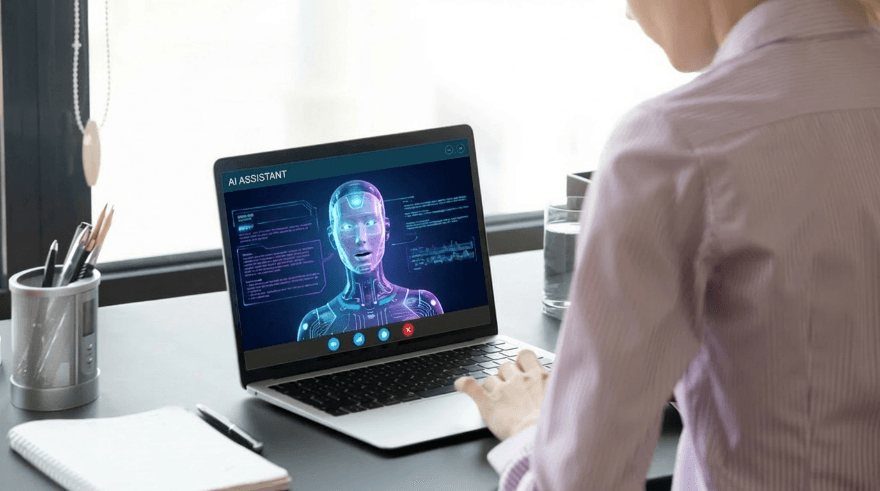
Starting January 1, 2026, amendments to the Illinois Human Rights Act enacted through HB 3773 make clear that employers may not use AI in a way that results in discrimination in employment decisions. The law also requires certain notice when AI is used in covered employment decisions, and it builds on Illinois’s existing Artificial Intelligence Video Interview Act, which already regulates the use of AI to analyze applicant-submitted video interviews.
The practical message for small business owners is simple: AI can help with hiring, but it cannot operate as a black box. If an employer uses AI in recruiting, hiring, promotions, discipline, training opportunities, termination, or any other term or condition of employment, Illinois treats that technology as part of the employer’s decision-making process. That means it is subject to the same anti-discrimination standards as any decision made by a person.
What HB 3773 Changes
The amended Illinois Human Rights Act makes it a civil rights violation for an employer to use AI if it has the effect of discriminating against employees based on a protected class. The law is aimed at employers using artificial intelligence and other automated decision-making tools in hiring and employment decisions. In practice, it is broad enough to reach AI résumé screening, targeted job ads, computerized assessments, and tools that analyze facial expressions or speech during video interviews.
Put simply, if the technology plays a role in the decision, the employer bears the risk. Small businesses cannot assume responsibility shifts to a software company just because the vendor built the tool.
Video Interview AI: Existing Illinois Requirements
Video interviews deserve special attention because Illinois already had rules in place before HB 3773. Under the Artificial Intelligence Video Interview Act, if an employer asks an applicant for an Illinois-based position to submit a recorded video interview and uses AI to evaluate that video, the employer must first tell the applicant that AI may be used, explain in general terms how it works and what traits or factors it evaluates, and obtain the applicant’s consent.
If the applicant does not consent, the employer cannot use AI to evaluate that interview. The law also limits who can access or share those videos and requires deletion within 30 days if the applicant asks for it.
Disclosure and Transparency Obligations
At the heart of Illinois’s approach is transparency. If a business is using AI in hiring, it should assume that applicants and regulators are entitled to know that AI is part of the process and, at least in general terms, how it is being used. For AI-assisted video interviews, disclosure is mandatory. Employers must provide advance notice and obtain informed consent before moving forward.
That matters especially for small businesses, which often adopt plug-and-play hiring tools without fully understanding how the technology works. If a company cannot explain its own hiring process, it will have a hard time defending it.
Why Human Oversight Still Matters
One point is worth emphasizing: Illinois is not banning employers from using AI. Instead, it is regulating how AI can be used. The more an employer relies on automated assessments, especially in video interviews, the greater the risk that the process will be challenged as unfair, opaque, or discriminatory.
From a litigation and compliance standpoint, heavy reliance on AI is exactly the kind of practice likely to draw scrutiny, particularly if the employer cannot explain how the tool works, validate the criteria it uses, or show that it does not create a disparate impact. Human oversight still matters. AI can support decision-making, but it should not replace sound hiring judgment.
Practical Steps to Reduce Risk
For small businesses, the best approach is practical, not theoretical. Start by identifying every point where AI touches the hiring process, including job advertising, résumé screening, chatbot interactions, skills testing, recorded interviews, and background-ranking tools.
Next, press vendors for real transparency. If the vendor cannot clearly explain what the tool measures, what data it relies on, whether it has been tested for bias, and whether it can generate documentation, the employer is taking on unnecessary risk.
It is also important to build human review into the process. A recruiter, manager, or business owner should review recommendations to disqualify candidates, especially when the software suggests rejection. Employers should also update hiring notices and candidate communications so they clearly disclose AI use whenever required. And just as importantly, they should keep records showing why the tool was chosen, what safeguards were in place, and how decisions were reviewed and validated.
The Litigation Risk Ahead
The litigation risk here is real. Plaintiff’s attorneys will not stop at asking whether AI was used. They will want to know what information the system considered, whether protected traits or proxies affected the outcome, whether notice was given, whether consent was obtained for video analysis, whether a human reviewed adverse decisions, and whether the employer ever tested the tool for bias.
A small business may think AI is saving time, but without the right procedures in place, it may actually be creating the paper trail for a future discrimination claim.
Bottom Line
Illinois is not prohibiting AI in employment. It is doing something more practical: requiring employers to use it lawfully, thoughtfully, and transparently. For small businesses, now is the time to review hiring practices, update notices, strengthen vendor agreements, and make sure technology supports human judgment instead of replacing it.